


-

Add: HeBei ShengShi HongBang Cellulose Technology CO.,LTD.
-

Email
13180486930@163.com -

CONTACT US
+86 13180486930

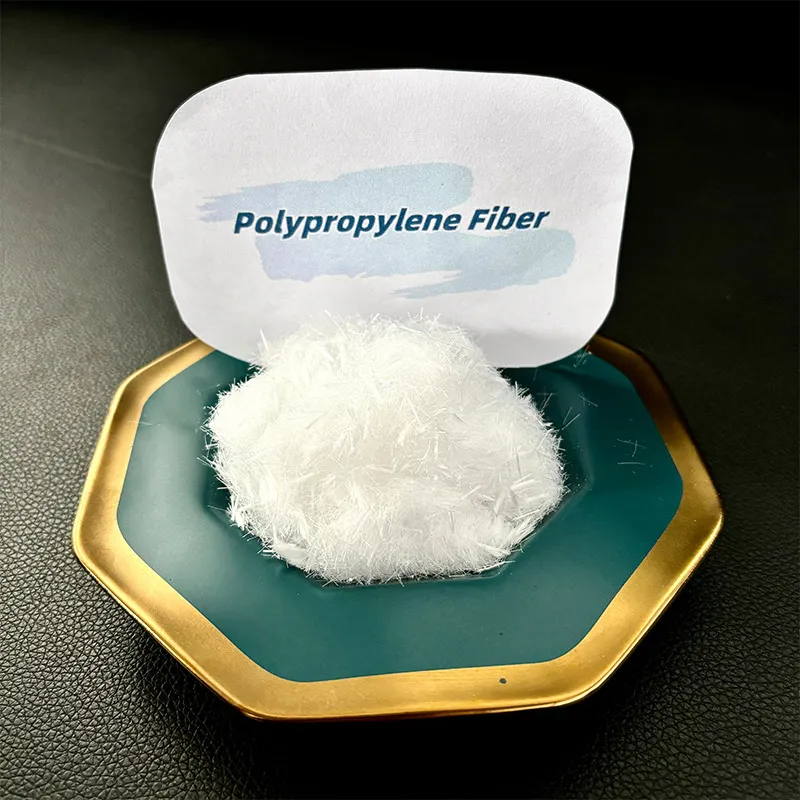
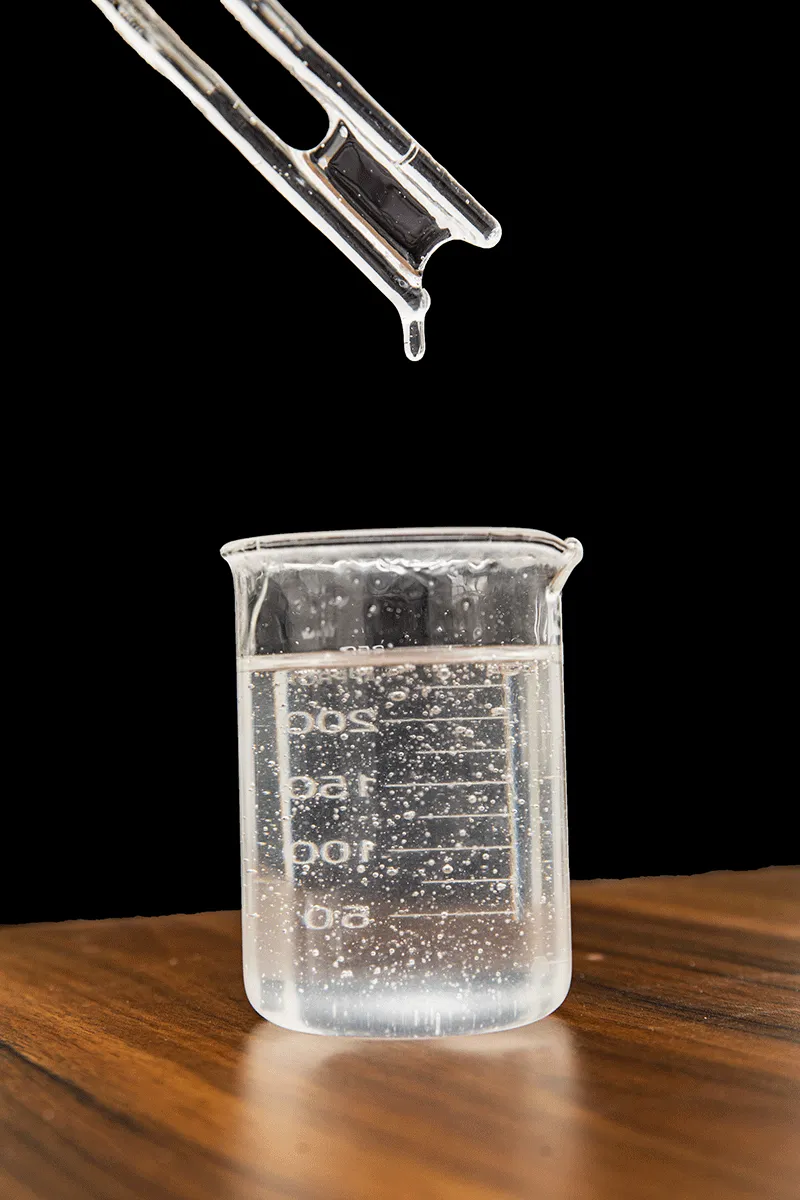


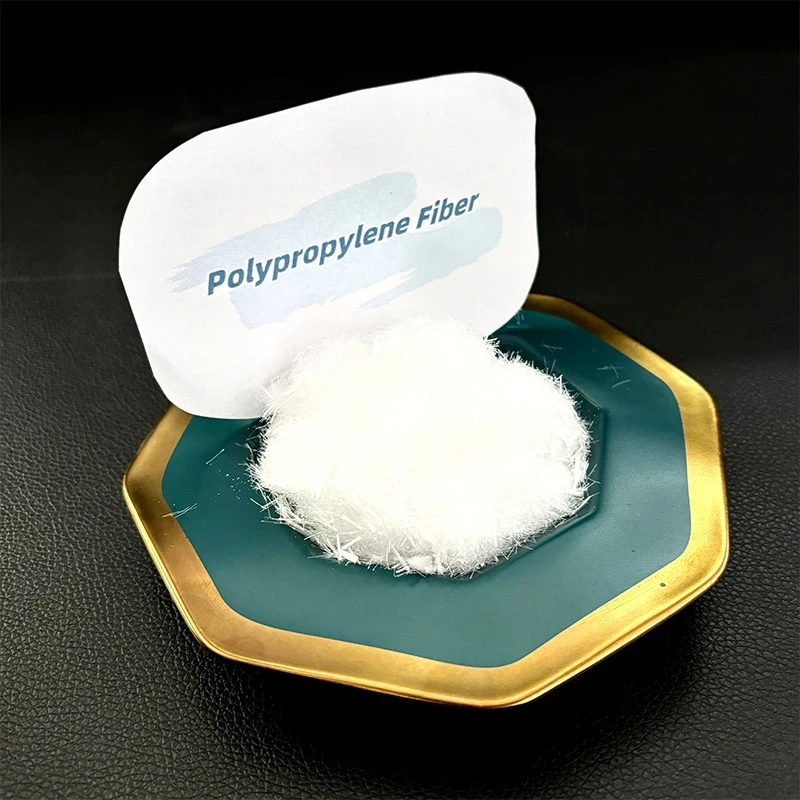
Polyolefin fibers, an essential component in the textile and manufacturing industries, have significantly gained attention due to their versatile applications and superior qualities. These fibers, derived from polymers such as polypropylene and polyethylene, offer a unique combination of properties that cater to numerous industrial needs, enhancing both product performance and durability. One of the most significant advantages of polyolefin fibers is their exceptional resistance to moisture. This property makes them an ideal choice for outdoor applications, where exposure to environmental elements like rain and humidity can quickly degrade other materials. For instance, agricultural fabrics designed to protect crops from the elements heavily rely on polyolefin fibers due to their robust water-repellent characteristics, ensuring longevity and consistent performance across seasons. Moreover, the high tensile strength of polyolefin fibers contributes importantly to their value in various industries. Their ability to withstand considerable stress without breaking or deforming makes them suitable for manufacturing high-strength ropes, fishing nets, and even geotextiles used in construction projects. This inherent strength not only extends the lifespan of the products made from these fibers but also enhances their reliability in critical applications, where failure is not an option. A prominent feature of polyolefin fibers is their inherent resistance to chemical attacks. This characteristic is particularly beneficial in environments where exposure to harsh chemicals or solvents is a concern, such as in industrial filtration systems or packaging materials. Products made from polyolefin fibers do not easily degrade when in contact with chemicals, ensuring both product integrity and safety over time. In the arena of sustainability, polyolefin fibers present a commendable profile. They are fully recyclable and contribute less to the overall carbon footprint compared to some other synthetic fibers. Their production process, largely driven by advances in polymer technology, has become more energy-efficient, allowing manufacturers to produce these fibers with reduced environmental impact. This aspect of sustainability positions polyolefin fibers favorably among environmentally conscious businesses aiming to incorporate more eco-friendly materials into their product lines. polyolefin fiber The light-weight nature of polyolefin fibers is another enticing benefit, leading to two major advantages—ease of handling and reduced transportation costs. Their low density results in lighter end products, which is particularly beneficial for applications in the automotive and aerospace industries, where weight reduction translates to improved fuel efficiency and performance. Polyolefin fibers thus contribute to overall cost savings , benefiting both manufacturers and end consumers. While the advantages are clear, incorporating polyolefin fibers into applications requires careful consideration of certain technical properties. Polyolefin fibers have a relatively low melting point compared to other synthetic fibers, which can be a limiting factor in high-temperature applications. However, this limitation is often addressed in innovative ways by blending polyolefin fibers with other materials or using them in environments where their low thermal resistance is not an issue. The expertise and authority of polyolefin fiber production have been greatly advanced by leading companies and research institutions globally. Their focus remains on refining the production processes and enhancing the fiber’s properties to meet the ever-evolving demands of the market. Extensive research and development activities ensure these fibers remain at the forefront of innovation, maintaining their status as a reliable and versatile material choice. Trustworthiness in the field of polyolefin fibers is further reinforced by strict compliance with international standards and certifications, which oversee the quality and environmental impact of these materials. Reputable manufacturers provide comprehensive data and transparency about their products, allowing consumers to make informed decisions based on verified performance metrics. In conclusion, polyolefin fibers represent a remarkable blend of performance, durability, and sustainability, making them indispensable across a variety of industrial sectors. Their distinctive properties provide tangible benefits, from extending product life to reducing environmental impacts, ensuring that polyolefin fibers will continue to be a material of choice for innovative solutions well into the future.
- 40000tons

Production
- 20+years

Experience
- 5000+㎡

Acreage

-
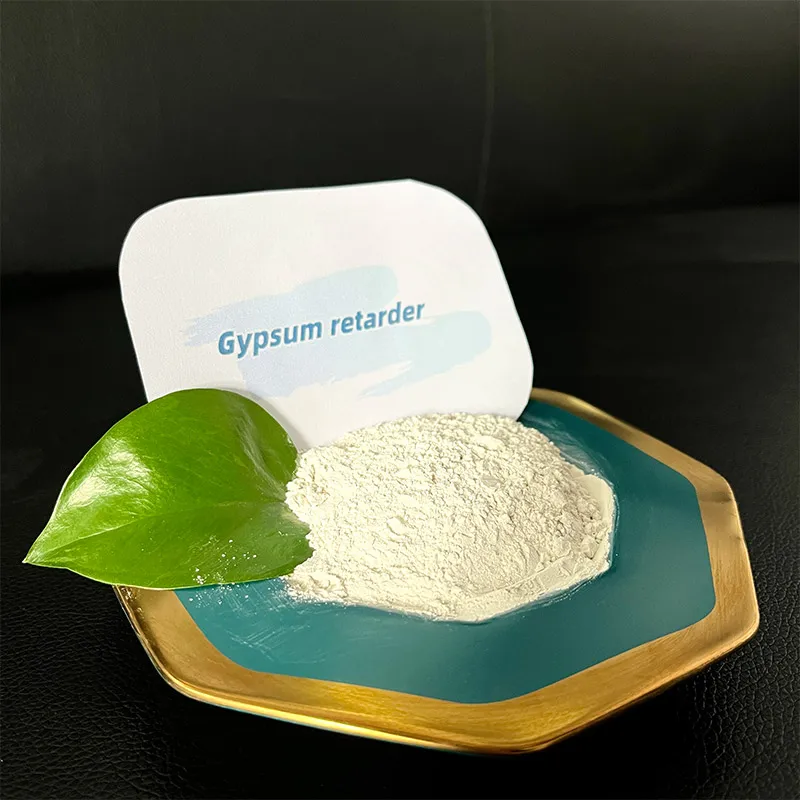
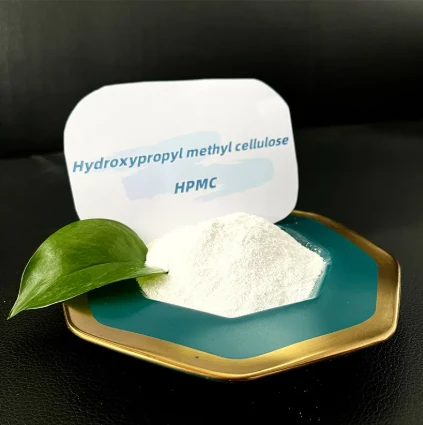
Hebei ShengShi HongBang Cellulose Technology Co., Ltd., located in the Xinji Provincial Clean Chemical Industry Park in Hebei Province, is a distinguished manufacturer specializing in Hydroxypropyl Methylcellulose (HPMC). As part of the Beijing Tianjin Hebei metropolitan area, the company prides itself on leveraging advanced technology and high-quality materials to produce HPMC, which finds extensive applications in various sectors, particularly construction. HPMC is a crucial additive widely recognized for its properties that enhance the performance of construction materials, such as adhesive mortar, mortar plaster, and insulation materials. The company is committed to continuous innovation and meeting the evolving needs of the industry, ensuring that its products deliver excellent quality and performance. Adhesive mortars are one of the primary applications of HPMC, wherein a specific dosage of hydroxypropyl methylcellulose, typically ranging from 1.5 to 2.5 kg per ton, is incorporated into the mixture to achieve optimal performance. This mortars are mechanically blended with cement, quartz sand, and polymer binders combined with various additives to create a reliable adhesive for bonding insulation boards. Known as polymer insulation board adhesive mortar, it is formulated using high-quality modified special cements and various high-molecular weight materials that provide superior water retention and exceptional bonding strength. This adhesive type is crucial in the construction industry, especially in ensuring energy efficiency and thermal performance in buildings by effectively adhering insulation materials to the substrate. Furthermore, mortar plaster, another vital application of HPMC, necessitates precise formulation to meet specific functional requirements. The dosage of hydroxypropyl methyl cellulose added can range from 2 to 3 kg per ton, with a viscosity of 200,000. This versatile material can be categorized into various types, such as ordinary plaster, decorative plaster, or specialized function. Our philosophy is Reject traditional malicious adulteration! Reject uneven product quality from batch to batch! Reject shirking of quality issues! Do you want to try exporting? We specialize in cellulose product, We can provide you with a perfect experience~ Welcome to Contact me!!
-
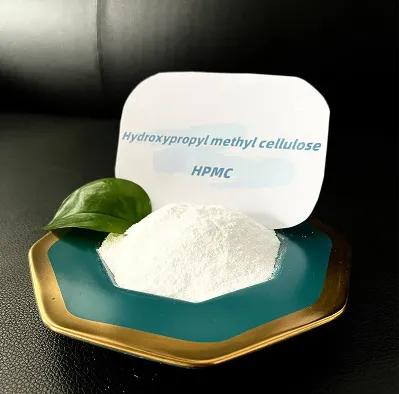
Elevating your eye care routine with HPMC eye gel can transform both comfort and ocular health. This innovative product is designed to offer relief and moisture, particularly for individuals who struggle with dry eyes. HPMC, or Hydroxypropyl Methylcellulose, is renowned for its exceptional effectiveness as a lubricant, forming a protective, soothing film over the surface of the eye. Understanding the Mechanics of HPMC Eye Gel Hydroxypropyl Methylcellulose is a semi-synthetic, inert, viscoelastic polymer used in the preparation of eye gels. Its unique properties make it an ideal candidate for ocular applications. When applied, the gel mimics the action of natural tears, providing moisture that helps alleviate irritation caused by environmental conditions, long screen hours, or ocular surgery. The essence of HPMC in eye gels lies in its biocompatibility and ability to retain moisture, providing long-lasting comfort without compromising vision clarity. Science Behind the Sustainability of Moisture The HPMC eye gel's mechanism of action includes the formation of a protective barrier on the ocular surface. This barrier aids in reducing water evaporation and maintains the natural tear film stability. Studies have demonstrated that HPMC can enhance the precorneal residence time, thus prolonging the gel's soothing effect. By optimizing hydration, it significantly improves symptoms like grittiness, dryness, and discomfort, which are commonly reported by those who suffer from chronic dry eye syndrome. Clinical Expertise and Benefits of HPMC Eye Gel Research and clinical trials affirm the gel's efficacy in improving eye health. Its unique formulation is particularly beneficial for patients with moderate to severe dry eyes and those recovering from LASIK or other refractive surgeries. Ophthalmologists often recommend HPMC eye gel because of its superior performance in lubricating the eye surface. It is fragrance-free, reducing the likelihood of allergic reactions, and its non-preservative versions are ideal for sensitive eyes. Real User Experiences and Satisfaction Rates User testimonials highlight the transformative impact of HPMC eye gel. Many users report immediate relief from dryness and enhanced comfort during prolonged computer use and exposure to air-conditioned environments. The gel's easy application and non-blurring formula make it a preferable choice for daily use. High satisfaction rates are attributed to its rapid onset of action and ability to substantially reduce reliance on frequent eye drop applications. hpmc eye gel Endorsement by Experts in Ophthalmologic Care Ophthalmologists and optometrists advocate for the use of HPMC eye gel due to its established track record in delivering consistent and reliable results. Its acceptance within medical practices is a testament to its clinical proof in managing symptoms associated with dry eyes. Health professionals emphasize its role as a potent tool in ocular wellness, contributing significantly to maintaining ocular health for patients across various spectrums. Sustainable Production and Trust in Quality HPMC eye gel combines cutting-edge technology with sustainable production practices. The integrity of its ingredients and the rigor of its manufacturing processes underscore the brand's commitment to quality assurance. Certified by relevant health authorities, the product guarantees a high standard of care, aligning with environmental and ethical concerns increasingly prioritized by consumers. Future of Eye Care Innovation at Its Core The dynamics of ocular health care are constantly evolving, with HPMC eye gel positioned at the forefront of this change. Emerging research in biomaterials continues to enhance its efficacy and applications . By investing in such innovative products, consumers are embracing a future where eye health transcends traditional boundaries, promoting holistic wellness and improved quality of life. In conclusion, HPMC eye gel stands as a pioneering product, intertwining scientific advances with practical benefits. Its ability to enhance eye comfort, accommodate contemporary digital lifestyles, and earn professional endorsements underscores its indispensable role in eye care today. Clients seeking a reliable solution for dry eye symptoms will find HPMC eye gel not only meets, but often exceeds, safety and efficacy expectations, ensuring eyes are well-protected and hydrated.
advantages
-

200000 Viscosities
Excellent product
We can produce pure products up to 200,000 viscosities
-

40000 tons
High yield
We don’t stop production all year round, and the annual output can reach 40,000 tons
-

24 hours
Quality service
We provide 24-hours online reception service, welcome to consult at any time
———— Inquiry Form
Schedule A services
-
 buy_sodium_polyacrylate_powder
Oct . 25, 2025
In the world of construction and remodeling, the use of plaster retarder is a nuanced topic that dem - hpmc_k15m
Oct . 25, 2025
Hydroxypropyl methylcellulose (HPMC) is a versatile polymer extensively used across various industri -
 pp_fiber_manufacturers
Oct . 25, 2025
Navigating the ever-evolving landscape of recycled rubber powder pricing demands a nuanced understan


